





Where we eat.
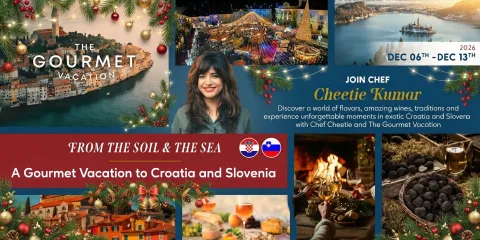
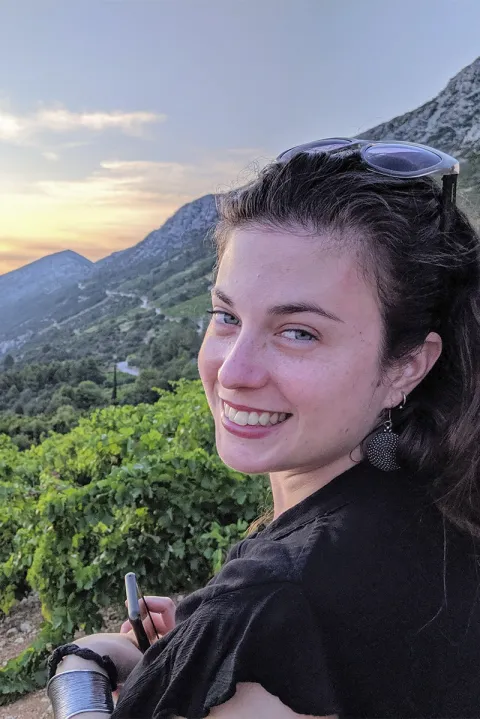
Croatia: An Adriatic table, island by island.
Croatia offers a coastline of more than a thousand islands, truffle forests in Istria, and a table built on olive oil, seafood and family-made wine.
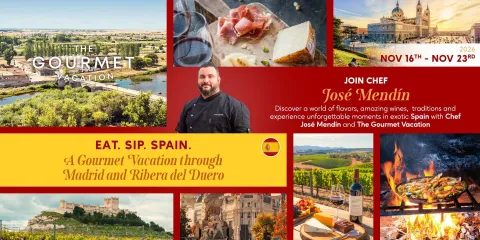
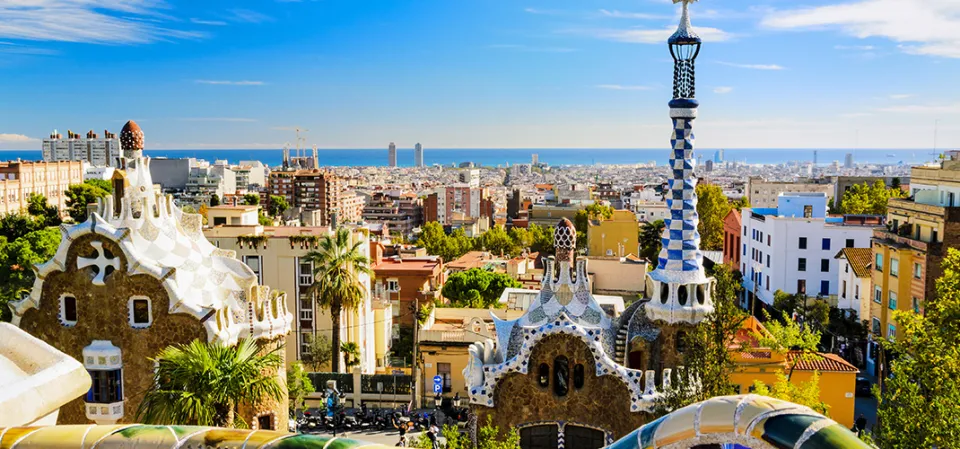
Spain: Long lunches, late dinners.
Spain eats on its own clock: a slow lunch at three, pintxos at eight, dinner at ten. Every region keeps its own kitchen, and each one is worth the trip.
Mexico: A cuisine the world protects.
Mexico’s traditional cuisine is recognized by UNESCO as part of humanity’s cultural heritage, and you can taste why in every market, street stand and family kitchen.
Peru: From the Pacific to the Andes.
Peru’s geography, from the Pacific coast to the high Andes and the Amazon, gives it one of the most diverse pantries on earth, and Lima has become one of the world’s great food cities.
Colombia: Coffee country, Caribbean coast.
Colombia is a country of coffee farms, tropical fruit, Caribbean coastline and Andean cities, with a food culture as warm and generous as its people.
France: The country that wrote the rules.
France gave the world its vocabulary of cooking, but its real pleasures are regional: a village market, a family bistro, a cellar door.
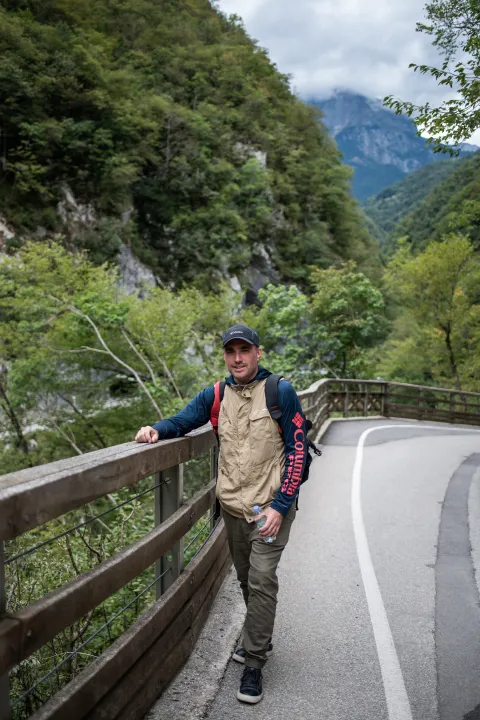
Slovenia: Alpine lakes, orange wine and quiet abundance.
Slovenia packs alpine lakes, wine hills and a slice of Adriatic coast into one small, green country, with a food scene that has quietly become one of Europe’s most exciting.